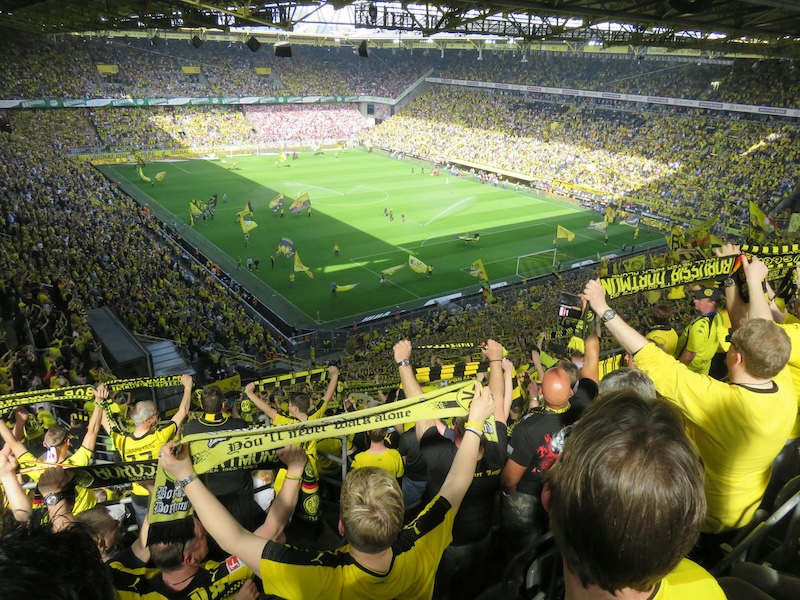
June 11, 2026. For the first time in 32 years, the world’s biggest sporting event lands in the United States. While most brands are thinking about sponsorships and TV commercials, smart international companies are thinking about something far more valuable: a compressed runway to U.S. market penetration when the entire country’s attention is locked on your industry’s most glamorous stage.
This isn’t just a moment. It’s a strategic accelerator. And if you’re an international consumer brand or tech company considering a U.S. entry, moving now puts you in position to capitalize on it.
Why the World Cup Is More Than a Marketing Moment
The 2026 World Cup coincides with something most international companies don’t factor into their timelines: the SelectUSA Investment Summit, happening May 3-6 at National Harbor, Maryland. This is where state economic development leaders, business councils, and foreign investment professionals converge. Timing your market entry strategy around this summit and the tournament itself creates multiple windows of leverage.
But the real play is broader. Over 4,800 international companies established U.S. operations in 2024, creating 285,000 American jobs. States are now competing aggressively for foreign investment with incentive packages, site locations, and regulatory flexibility. The World Cup creates visibility and urgency around the U.S. market at a moment when state governments and economic development agencies are actively recruiting.
Here’s the insight: the World Cup creates a narrative tailwind for foreign investment. Media coverage, investor attention, and consumer curiosity about international brands all converge. A brand that enters the market before the tournament starts can own the “new to America” positioning in a way that’s almost impossible to achieve six months later.
The 5 Host Cities That Matter Most for Consumer Brands
The tournament spans 11 U.S. host cities, but not all are created equal for market entry:
- New York/New Jersey: Densest retail, media, and consumer brand concentration. Your proving ground for food, fashion, and luxury.
- Los Angeles: Entertainment and lifestyle capital. Ideal for tech, D2C, and lifestyle products.
- Miami: Gateway to Latin American consumers. Beachhead for the U.S. Hispanic segment (19% of population).
- Dallas: Underrated consumer market. Growing, diverse, strong retail presence.
- Atlanta: Logistics and tech hub. Distribution advantages, lower costs than coastal cities.
How to Build a 90-Day Launch Plan Around the Tournament
Months 1-2 (Now through April): Lock in your regulatory framework and business structure. Before you ship product, understand how the 2026 tariffs affect your landing costs. Establish distribution partnerships and identify your target host city. Attend the SelectUSA Summit in May.
Month 3 (May-June): Activate your launch narrative. TikTok Shop is one of the fastest channels to activate around a live event. Explore The U.S. Circle, our curated partner network, to connect with retail partners and on-ground operators.
We’ve created Expanio’s market entry strategy for consumer brands specifically to compress this timeline without sacrificing due diligence.
What Happens After the Final Whistle (Don’t Let the Momentum Die)
July 2026 will bring a post-tournament drop-off. The winners will be companies that use the tournament as a launch moment, not a marketing moment. That means building infrastructure, supply chain, and retail relationships that outlast the headlines.
Listen to our Commerce Untold Podcast for case studies from brands that used major events as springboards into new markets.
Key Takeaways
- The 2026 World Cup creates a compressed runway for U.S. market entry with visibility, investor attention, and state recruitment all converging.
- Timing your launch with the SelectUSA Summit (May 3-6) and the tournament creates multiple leverage points.
- The five host cities (NYC, LA, Miami, Dallas, Atlanta) offer distinct advantages depending on your product category.
- A 90-day sprint is feasible if you move now on regulatory, distribution, and partnership infrastructure.
- Build for sustenance, not just visibility. The real opportunity is using the tournament as a launch catalyst.
Your move starts now. Get in touch with Expanio.